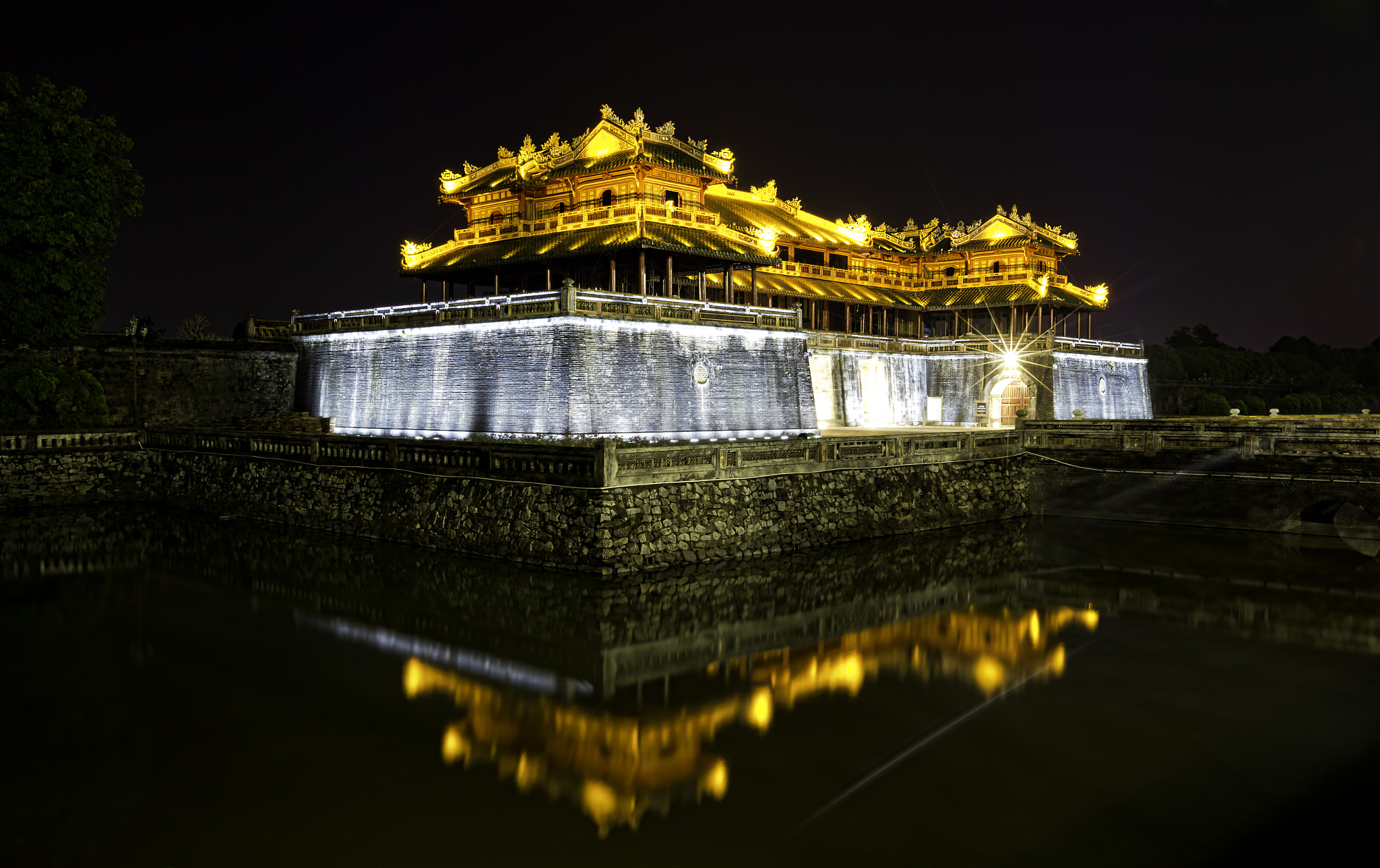
Hue Travel Guide: Discovering Vietnam’s Timeless Heritage
Hue: A Place Where Time Stands Still
Nestled in central Vietnam, Hue is a city that perfectly embodies the country’s rich history, culture, and natural beauty. As Vietnam’s former imperial capital, it is steeped in traditions and grandeur. For me, Hue feels like a living museum—every corner has a story, every dish carries a legacy, and every moment there allows you to connect deeply with Vietnam’s soul.
In this guide, I’ll share the must-visit attractions, culinary highlights, travel tips, and hidden gems that make Hue an unforgettable destination.
Top Attractions You Must Visit
- The Imperial City (Kinh Thanh Hue)
The Imperial City is the heart of Hue’s historical significance. Once home to the Nguyen Dynasty, this sprawling complex is a UNESCO World Heritage Site and a masterpiece of Vietnamese architecture. Walk through the grand Ngo Mon Gate, explore the Forbidden Purple City, and marvel at the intricate details of Thai Hoa Palace.- Pro Tip: Visit early in the morning to avoid crowds and enjoy cooler weather.
- Thien Mu Pagoda
Situated on a hill overlooking the Perfume River, Thien Mu Pagoda is one of Hue’s most iconic landmarks. Its seven-story tower, Phuoc Duyen, is a symbol of the city. The serene atmosphere, combined with the stunning view of the river, makes this pagoda a must-visit.- Fun Fact: Thien Mu Pagoda is home to an antique car that once carried a Buddhist monk to Saigon in protest against the regime in 1963.
- Royal Tombs of the Nguyen Emperors
The tombs of Minh Mang, Khai Dinh, and Tu Duc offer a fascinating insight into the lives and legacies of Hue’s emperors.- Minh Mang Tomb: Surrounded by lush landscapes, it reflects balance and harmony with nature.
- Khai Dinh Tomb: A unique blend of Eastern and Western architectural styles with elaborate mosaics.
- Tu Duc Tomb: Known for its poetic charm, this tomb served as a retreat for Emperor Tu Duc during his lifetime.
- Pro Tip: Hire a local guide to learn the stories behind each tomb’s design and history.
- Perfume River (Song Huong)
The Perfume River flows gently through the heart of Hue, offering picturesque views and tranquil experiences. You can take a dragon boat ride, especially in the evening, to enjoy traditional Hue songs performed live on the water.- Best Experience: Sunset on the river is magical, with the golden light reflecting off its surface.
- Dong Ba Market
This bustling market is a feast for the senses. From fresh produce to handcrafted goods, it’s a great place to pick up souvenirs and try local street food. Don’t miss the chance to taste fresh banh bot loc or sip a glass of sugarcane juice.
A Culinary Journey Through Hue
Hue’s cuisine is a reflection of its royal heritage, with flavors that are both delicate and bold. Here are some must-try dishes:
- Bun Bo Hue: A flavorful beef noodle soup with lemongrass, chili, and a hint of shrimp paste. It’s the city’s most famous dish.
- Banh Beo, Banh Nam, Banh Bot Loc: Small steamed cakes made from rice flour, each served with unique toppings like shrimp or pork crackling.
- Nem Lui: Grilled pork skewers served with rice paper and fresh herbs, perfect for rolling and dipping in a savory peanut sauce.
- Banh Khoai: A crispy pancake filled with shrimp, pork, and bean sprouts, served with a tangy sauce.
- Vegetarian Delights: Influenced by Buddhism, Hue has an impressive range of vegetarian dishes. Try the vegetarian hotpot or banh ram it at local eateries like Lien Hoa.
- Pro Tip: Look for small, family-run restaurants for the most authentic flavors. Ask locals for their recommendations—they know the best spots!
-
Travel Tips for Hue
- When to Visit:
Hue has a tropical climate, with the best months being January to April and September to November. These periods offer cooler weather and a chance to experience festivals like Tet (Vietnamese Lunar New Year) or the Hue Festival.- Avoid the rainy season (October to December) if you prefer dry weather.
- Getting Around:
- Cycling: Rent a bicycle to explore the city’s narrow streets and surrounding countryside.
- Motorbike: For longer distances, motorbike rentals are affordable and convenient.
- Cyclo Rides: A charming way to tour the city center at a leisurely pace.
- Cultural Etiquette:
- Dress modestly when visiting temples and historical sites.
- Respect local customs, such as removing your shoes before entering pagodas or private homes.
- When to Visit:
Hidden Gems in Hue
- Thanh Toan Bridge
This charming covered bridge is located in a quiet village outside Hue. Surrounded by rice paddies, it’s a perfect spot for a peaceful morning. - An Dinh Palace
Once a royal residence, this lesser-known palace features exquisite architecture and murals. It’s a great place for history buffs. - Hue’s Garden Houses (Nha Vuon)
Scattered throughout the city, these traditional homes feature lush gardens and offer a glimpse into Hue’s unique architecture and way of life. - Countryside Exploration
Rent a bike and venture into Hue’s rural areas to see tranquil villages, lotus ponds, and friendly locals. The ride to Thuy Bieu Village, known for its pomelo orchards, is particularly scenic.
Hue is more than just a city—it’s a journey through Vietnam’s history, culture, and traditions. Whether you’re walking the ancient grounds of the Imperial City, savoring a bowl of bun bo Hue, or watching the sunset over the Perfume River, Hue leaves an indelible mark on every traveler.
Take your time here. Let Hue’s slow pace guide you to uncover its many layers. And when you leave, you’ll carry a piece of its charm with you, along with memories that will last a lifetime.


