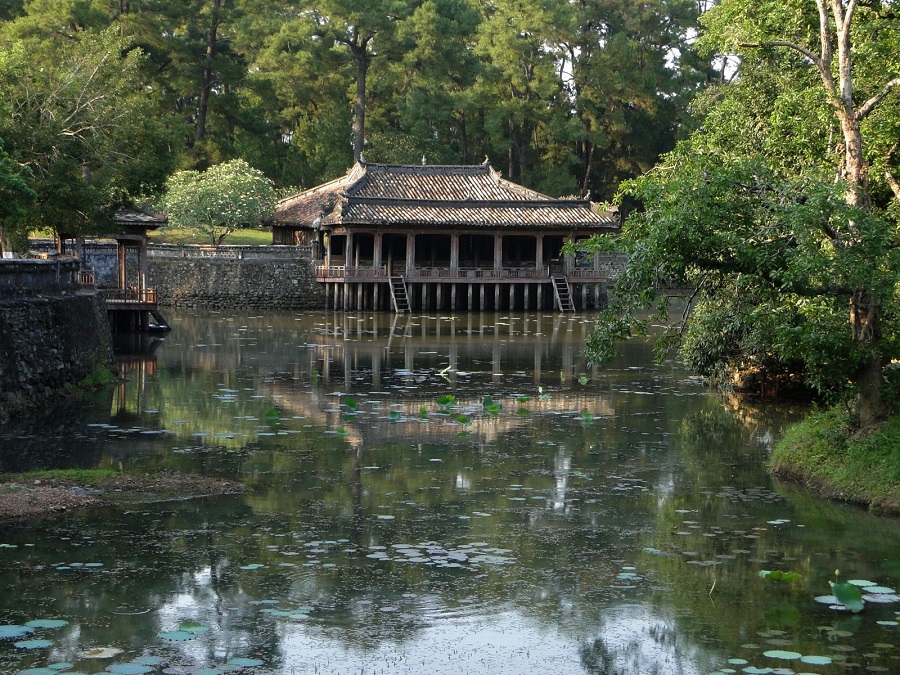
Tu Duc Tomb: Where a Poet-Emperor Found Peace
Stepping into Tu Duc Tomb feels like wandering into a dream. Tucked away in a quiet pine forest just a short ride from Hue, this tomb isn’t just a resting place for one of Vietnam’s greatest emperors—it’s a world of poetry, solitude, and beauty. As I passed through its gates, I could feel the whispers of a life long gone but still vividly present in the serene surroundings.
Let me take you on a journey through this remarkable place, as I experienced it myself.
The Story of an Emperor’s Escape
The story of Emperor Tu Duc is one of contradictions. He ruled the Nguyen Dynasty for 35 years, but his reign wasn’t without turmoil. Wars, uprisings, and personal tragedies marked his time as emperor. Yet, amidst these challenges, he found solace in poetry, art, and nature.
Tu Duc didn’t just want a tomb for the afterlife—he wanted a sanctuary in his lifetime. Construction of this tomb began in 1864, and the emperor himself spent years living within its walls, using it as a retreat from the pressures of his court. It was a place where he could write poetry, meditate, and escape.

Walking Through the Gates of History
As I walked through the gates of Tu Duc Tomb, the first thing that struck me was the peaceful atmosphere. The tomb isn’t just about grandeur; it’s about harmony. Tall pine trees shaded the pathways, and the soft sound of water from Luu Khiem Lake added to the tranquility.
I imagined Emperor Tu Duc strolling here centuries ago, perhaps composing one of his many poems about life and nature. It’s easy to see how this place inspired him.
A Poet’s Paradise
- The Lake and Xung Khiem Pavilion
My first stop was Luu Khiem Lake, a large, serene body of water at the heart of the complex. In the summer, lotus flowers bloom here, their fragrance wafting through the air.On the banks of the lake sits Xung Khiem Pavilion, one of the emperor’s favorite spots. As I stood there, I could picture him sitting under its roof, watching the ripples on the water, and listening to court musicians. It’s a space built for reflection, and even now, it’s easy to feel its poetic energy. - The Temple of Memories
Hoa Khiem Temple came next. This was where Tu Duc would worship his ancestors, but today, it houses relics from his life: royal seals, personal belongings, and even some of his writings. Walking through its halls, I felt like I was stepping into the emperor’s private world. - Mysteries of the Tomb
At the center of the complex lies the symbolic tomb mound. But here’s the twist—Tu Duc isn’t buried there. To protect his final resting place from grave robbers, the emperor’s real burial site was kept secret, and to this day, no one knows where he lies. The mystery adds a layer of intrigue to an already fascinating place.
The Soul of Tu Duc Tomb

What truly sets Tu Duc Tomb apart is its soul. It’s not just a grand monument—it’s a place where nature and architecture come together to tell a story. Walking through its shaded paths and gazing at its elegant structures, I could feel the spirit of an emperor who sought beauty and peace above all else.
Tu Duc’s poetry often reflected his inner struggles and his love for the natural world. This tomb is a living representation of those themes, a place where you can almost hear his verses in the rustling of the trees and the gentle lapping of water.
A Few Tips for Fellow Travelers
If you’re planning to visit:
- Go early in the morning to enjoy the calm before the crowds arrive.
- Take your time—this isn’t a place to rush. Let the tranquility soak in.
- Bring a notebook. You might just find inspiration for your own poetry here.
As I left Tu Duc Tomb, I found myself reluctant to go. There’s something about this place that lingers, a quiet reminder of life’s fragility and the beauty of taking time to reflect.
For Tu Duc, this tomb was more than a retreat—it was a reflection of his soul. And for anyone who visits, it offers a chance to connect with Vietnam’s history and find a bit of peace in a busy world.
If you ever find yourself in Hue, take the time to wander through Tu Duc Tomb. Who knows? You might discover not only a glimpse of an emperor’s life but also a bit of poetry in your own.


